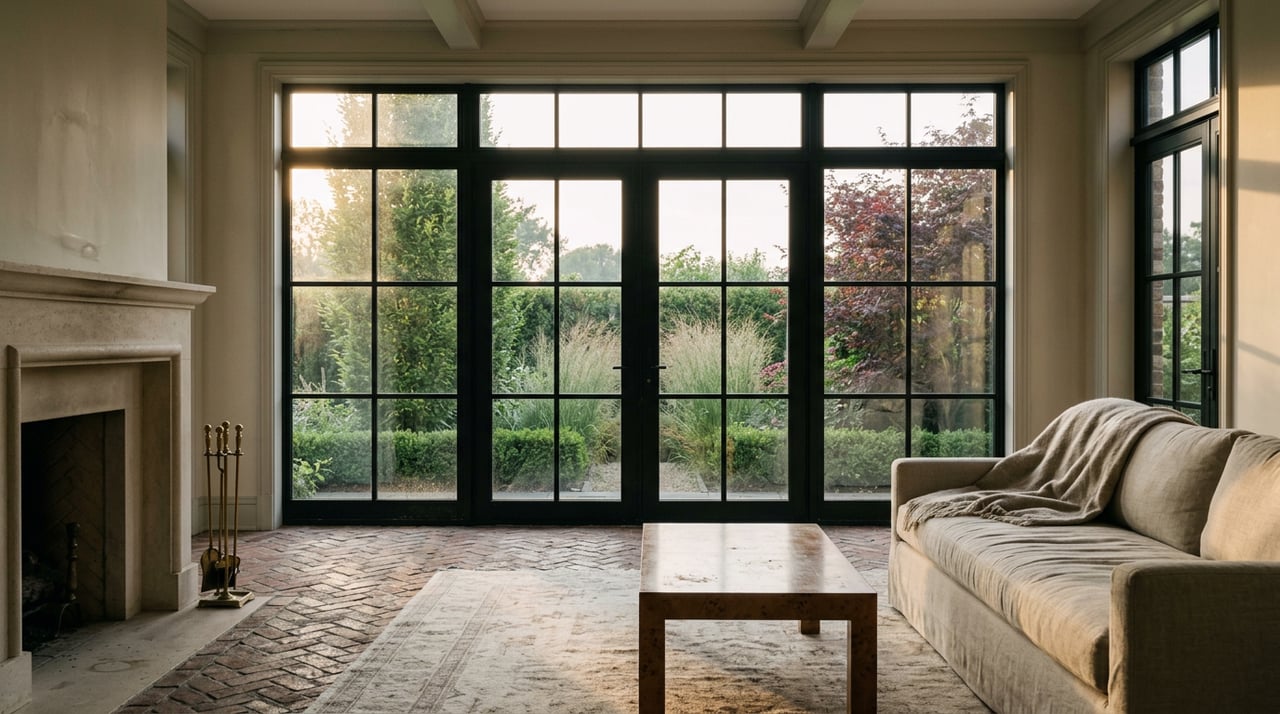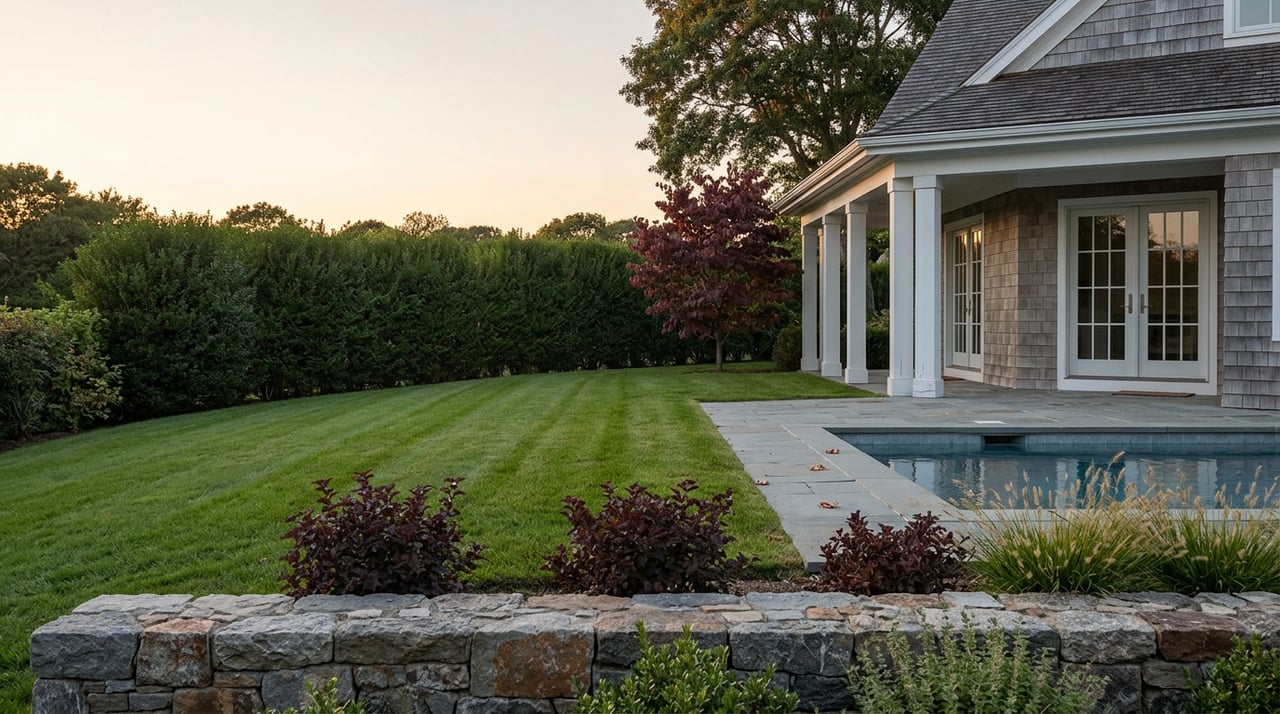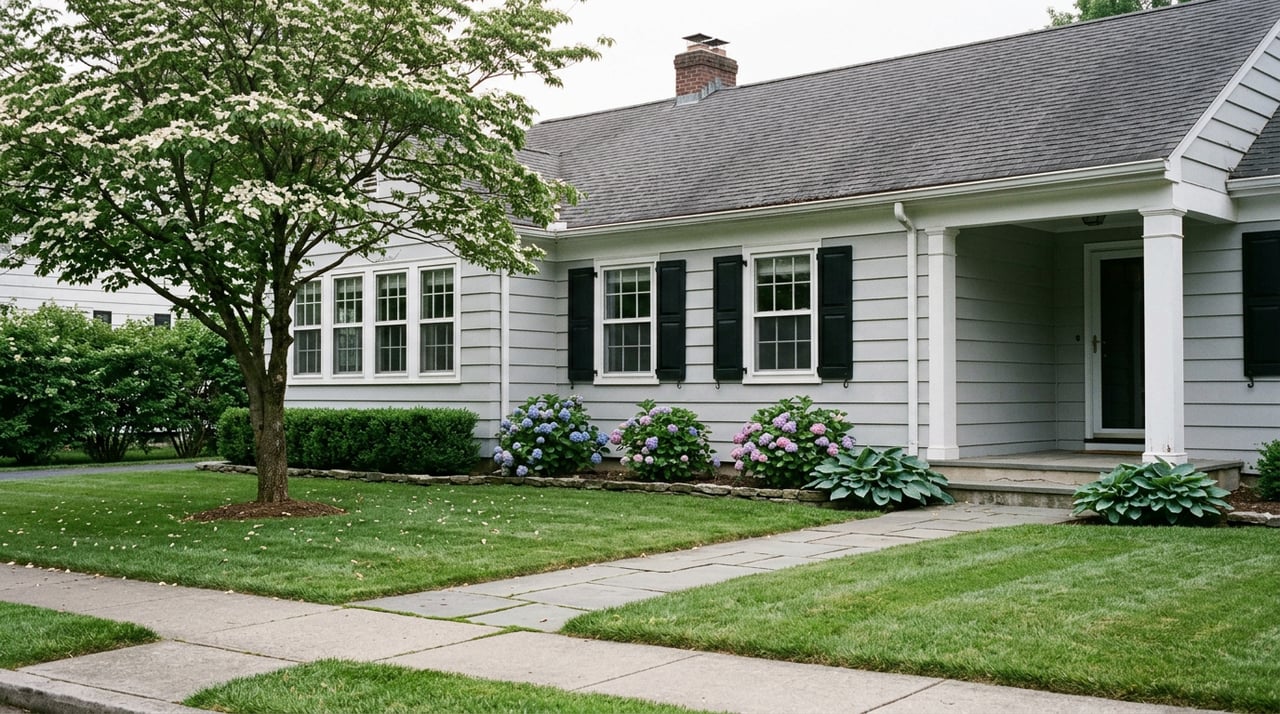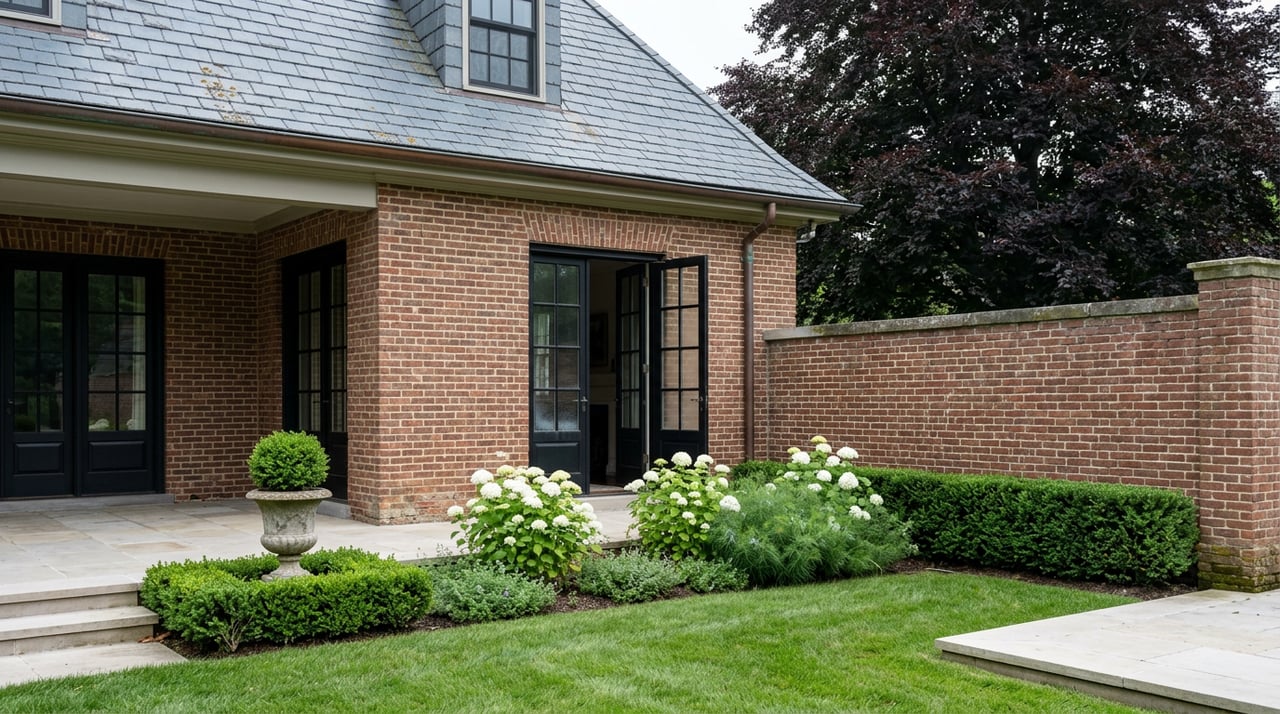
"Matinecock has 5-acre zoning and it's more of an estate-like area," says Christy Porter, an associate broker who works the village regularly. "The villages did a moratorium several years ago trying to protect the estate-like nature of this area."
That single sentence explains more about Matinecock's real estate market than any median price ever could. Most North Shore buyers treat acreage as a lifestyle feature, a number on a listing sheet that tells you how much lawn you're getting. In Matinecock, the acreage minimum is the market. It is a deliberate policy choice that caps how many homes can ever exist inside the village, and once you see it that way, the numbers that look strange from the outside, the fast sales, the rising averages, the almost total absence of new inventory, stop looking strange at all.
What a Moratorium Actually Protects
Zoning floors exist all over the North Shore. What sets Matinecock apart is that its five-acre minimum has been reinforced, at the village level, by a moratorium aimed specifically at preserving the estate character of the area. That is a different thing than a code sitting quietly in a book. A moratorium is an active decision to slow or stop the kind of subdivision and rebuilding that, left alone, would eventually chip large parcels into smaller ones and add supply. Matinecock chose not to let that happen.
The practical result is a village where the number of buildable, five-acre-or-larger parcels is essentially fixed. New construction still happens, and it happens inside that same ceiling. One active listing describes a to-be-built, energy-efficient center hall Colonial in the village, sold from renderings rather than a finished house, because there is no other way to add inventory that doesn't already involve tearing down or subdividing an existing estate. When a market can't expand its own footprint, every sale becomes a slightly bigger event than it would be somewhere with room to grow.
Eighteen Days, Not Four Months
This is where the data gets interesting, because it does not behave the way most people assume a luxury slowdown should behave. Homes in Matinecock currently sell in a median of about 18 days, against a national average of 47. Over the trailing twelve months, average sale prices sit just above $3.6 million, up roughly 36 percent from the twelve months before that. Read on its own, that combination, fast sales and a sharp price jump, looks like a market running hot on enthusiasm.
Compare it to Brookville, a similarly priced Gold Coast village just a few minutes away. As of July 2026, the median Brookville home sat on the market for about 120 days, more than six times longer than Matinecock's pace, even as list prices held near $2.75 million that same month. Zillow's home value estimate for the Brookville area was just over $3 million as of June 2026, up about 11 percent year over year, a healthy gain but nowhere near Matinecock's.
Two villages, similar price tier, similar buyer pool, wildly different clocks. The difference isn't demand. Buyers who can afford $3 million homes are shopping both villages. The difference is supply, and specifically how tightly each village has chosen to constrain it. Matinecock's moratorium keeps new listings from appearing at anything close to the rate Brookville's more permissive lot patterns allow. When 18 houses represent the entire active inventory of a village, as was the case recently, each one that hits the market gets seen by nearly every serious buyer who wants to be there. That is what produces an 18-day sale. It isn't heat. It's a small pool with almost no drain.
The Two Markets Inside One Zip Code
Here is the detail most comparisons miss entirely. Matinecock is not one uniform five-acre market. It contains at least two distinct tiers, and knowing which one you're shopping in changes what a listing's price and speed actually tell you.
The first tier is the raw acreage market the moratorium was built to protect. This is where you find estates like 40 Piping Rock Road, a 1925 Colonial on more than seven landscaped acres, renovated in 2008, or La Toscana, a gated Mediterranean estate spanning more than five acres at the end of a long tree-lined drive. It's where 650 Chicken Valley Road sits on nearly six acres behind a gated entrance. These properties carry both the acreage floor and, often, real architectural pedigree. One Matinecock estate, known as Buttonball Hill, is a Georgian manor originally built in 1929 for Vanderbilt heir Aldred Coster Schermerhorn. Another, a 1926 French Normandy home, was originally commissioned by J.D. Lyons and designed by the architecture firm Delano and Aldrich, later transformed by architect Oliver Cope, interior designer Miles Redd, and landscape architect Ed Hollander. In this tier, you are not buying land and a house. You are buying into a small, closed set of estates with documented histories, and the zoning floor is what keeps that set from ever growing.
The second tier is smaller and easy to miss because it doesn't fit the five-acre story at all. Recent inventory has included an approved two-acre lot in a section of the village known as The Glen, a legacy pocket where lot sizes were established before, or outside of, the current acreage minimum. These parcels are still inside Matinecock, still carry its name and its proximity, but they trade in a fundamentally different size category than the raw acreage tier around them.
| Raw Acreage Tier | Legacy Pocket (The Glen) | |
|---|---|---|
| Typical lot size | 5 to 7+ acres | Around 2 acres |
| Protected by moratorium | Yes, this is the tier it targets | Predates or falls outside the current floor |
| What you're buying | Land scarcity plus, often, architectural pedigree | Village access and proximity at a smaller footprint |
| Example | 40 Piping Rock Road, La Toscana, 650 Chicken Valley Road | Approved lot in The Glen |
For a buyer comparing Matinecock to another village, this distinction matters more than the average price does. An average that blends a seven-acre Vanderbilt-adjacent estate with a two-acre lot in The Glen is not describing one market. It's describing the collision of two, and the headline number tells you almost nothing about which one you're actually negotiating in until you know the lot.
Two Miles Changes the Math
The obvious objection to five-plus acres of private land is isolation. Long driveways, no sidewalks, nothing within walking distance. Matinecock's answer to that objection is geography, not amenity. The village sits less than two miles from Locust Valley's downtown, a walkable stretch of boutiques, antique stores, and restaurants that functions as Matinecock's front porch even though it technically belongs to the next village over.
Most of that daily life happens just over the line in Locust Valley. Piñons Pizza Company and Buckram Stables Café both draw Matinecock families for casual dinners, the latter known for a fried chicken plate regulars keep coming back for. Basil Leaf Cafe, a small Italian spot, is one of the few businesses that actually sits inside Matinecock's own boundaries rather than its neighbor's. For golf and tennis, many Matinecock households belong to the Piping Rock Club, a private country club with a nationally ranked course.
Almost all of it sits close enough that the five-acre lot stops feeling like a tradeoff and starts feeling like the point. You get the acreage the zoning protects and a town two miles away that supplies nearly everything the acreage doesn't.
What This Means If You're Comparing Villages
If you're cross-shopping Matinecock against Brookville, Old Brookville, or another Gold Coast village, resist the instinct to line up their median prices side by side and call it a comparison. Listings in neighboring Brookville and Old Brookville routinely describe two-acre parcels as spacious, generous, private. In Matinecock, that same footprint is the exception, confined mostly to a legacy pocket like The Glen, while the village's protected norm starts at five acres and climbs from there.
That gap is the zoning floor doing its job. It is also the reason Matinecock's market clears faster than villages with similar price tags but looser constraints on new supply. If you're weighing a purchase here against something in a neighboring village, the question worth asking isn't which one is more expensive on average. It's which acreage tier of which village you're actually being shown, and whether the moratorium behind it is likely to hold.
That's a conversation better had with someone who tracks these villages closely enough to know the difference between a Piping Rock Road estate and a Glen lot before the listing photos make it obvious. If you're weighing Matinecock against another North Shore village and want a clear read on which tier fits your plans, reach out to the Andréa Sorrentino Team. We can walk you through what a given acreage, address, and price actually represent in a market this specific.