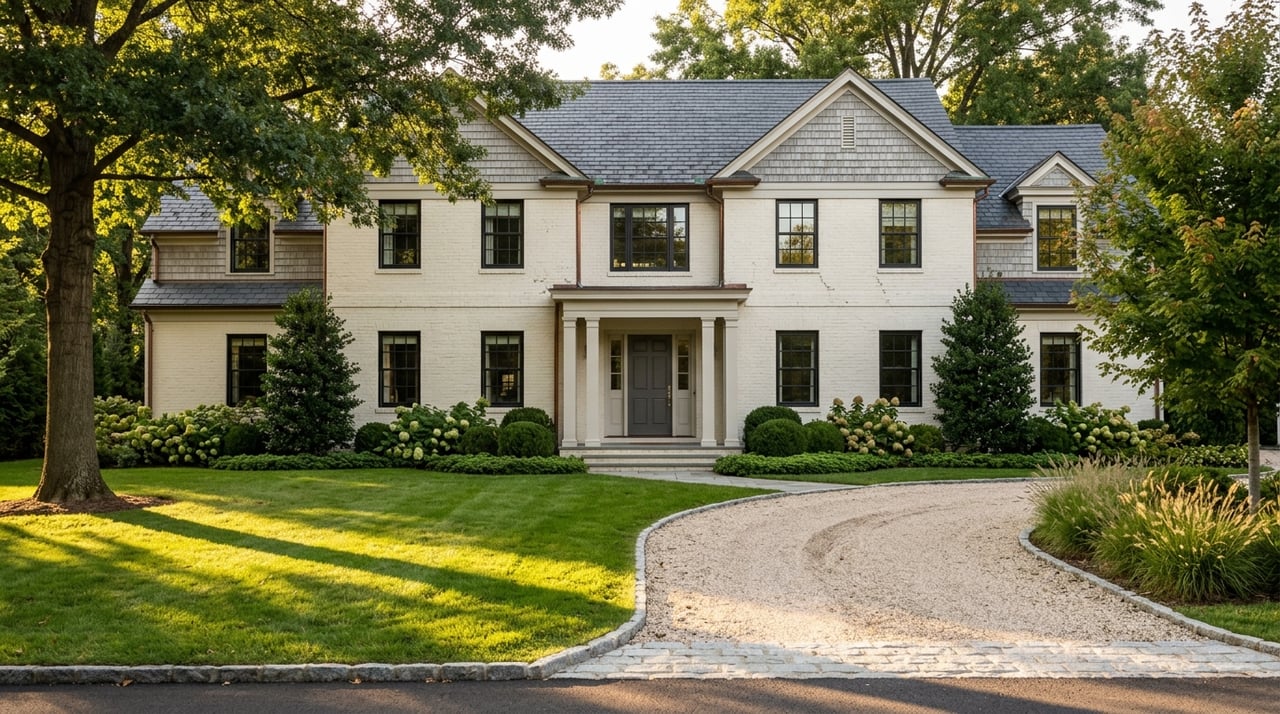
Thinking about trading city convenience for a little more space, privacy, and breathing room? If you are moving from Manhattan or Queens, Manhasset Hills offers a version of suburban life that still keeps you connected to the region while giving you a very different day-to-day experience. This guide will help you understand what buyers should know about housing, commute patterns, lifestyle changes, and local details before making the move. Let’s dive in.
Why Manhasset Hills Appeals to City Buyers
Manhasset Hills is an unincorporated hamlet and census-designated place in the Town of North Hempstead in Nassau County. According to the ACS 2024 5-year profile, it has 3,692 residents across just 0.6 square miles, which gives it a compact footprint but a clearly suburban housing pattern.
What stands out most is the housing mix. The area has 1,216 housing units, 97% occupied housing, 92% owner-occupied units, and 98% single-unit structures. If you are coming from apartment or condo living, that tells you right away that Manhasset Hills is built around detached-home ownership rather than multi-unit city living.
The resident profile also helps explain the feel of the area. The median age is 45.9, median household income is $165,536, and 59.7% of residents have a bachelor’s degree or higher. In practical terms, buyers often experience Manhasset Hills as a mature, established residential community rather than a fast-turnover urban market.
What the Market Looks Like Now
If you are planning a move, it helps to start with the current market tone. Realtor.com’s June 2026 market summary shows 14 homes for sale, a median listing price of $1,674,999, a median price per square foot of $760, and median days on market of 25.
The same source describes Manhasset Hills as a balanced market. For buyers, that can mean a more measured environment than an extreme seller’s market, but inventory is still limited enough that preparation matters.
It is also worth noting that the census-based median value of owner-occupied housing units is $1,057,800, which sits well below the current median listing price. That gap can reflect updated homes, larger homes, and the difference between broader owner-occupied stock and the homes actively being offered for sale right now.
What Types of Homes You Will Find
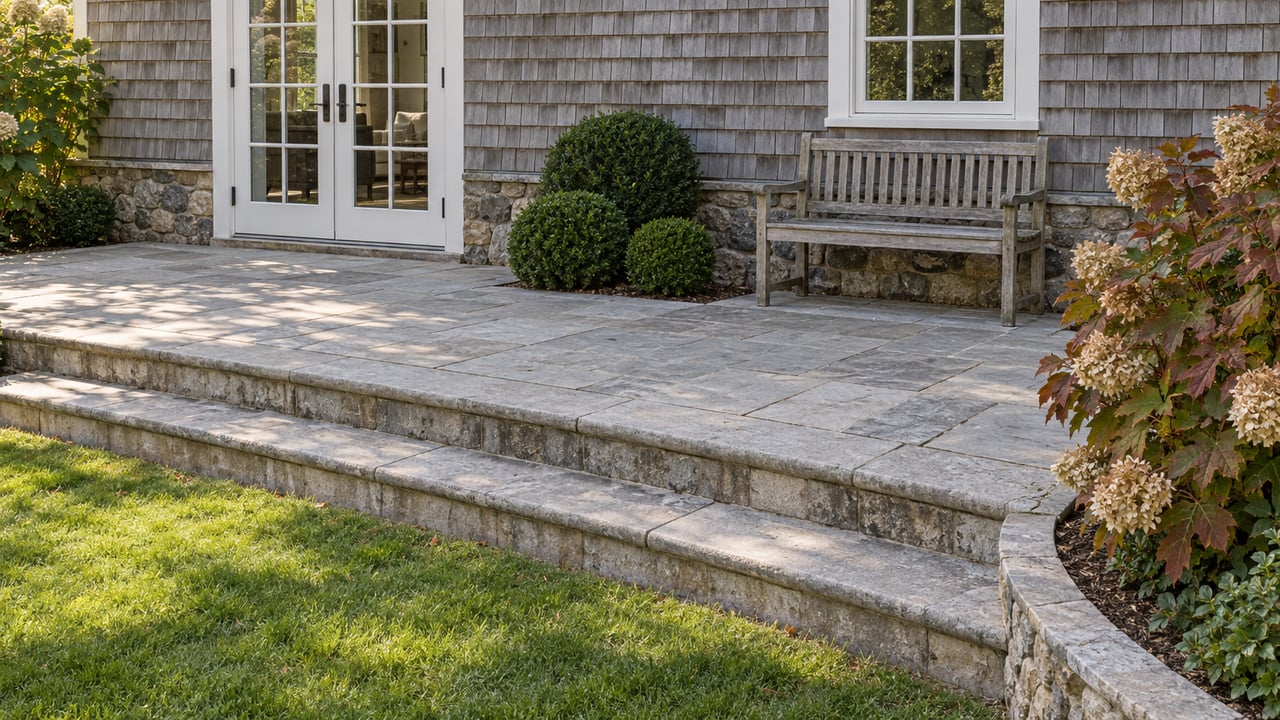
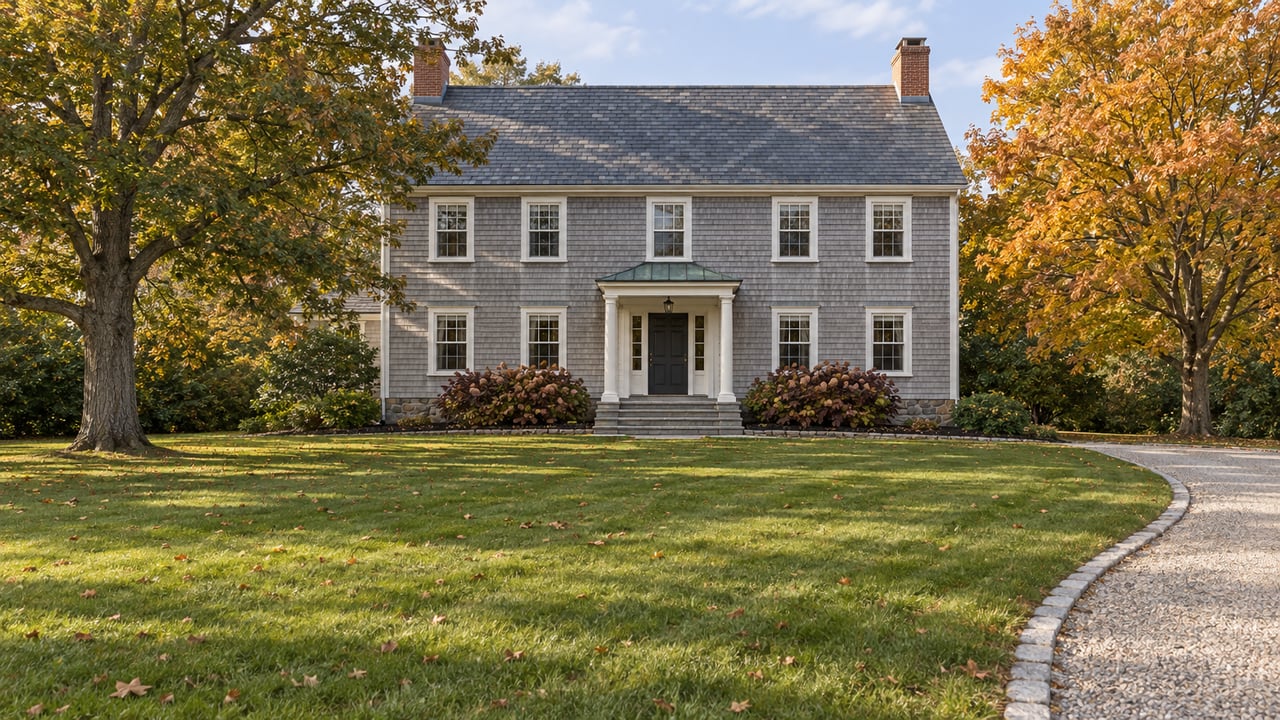
For many city buyers, the biggest adjustment is not just price. It is the type of home you are buying. Recent listing examples show that Manhasset Hills leans strongly toward detached homes, especially split-levels, with some colonials and high-ranch homes also appearing.
That matters because the layout shapes how you live. A split-level home may offer more separation between living, sleeping, and recreation spaces, which can feel very different from a one-floor apartment or condo layout.
You should also expect yard space to be part of the package. Recent listing examples show lot sizes clustering around roughly 7,800 to 12,000 square feet. That often means more room for outdoor use, but it also means more upkeep, more maintenance decisions, and a bigger role for driveways and garages in your everyday routine.
Why Some Listings Say New Hyde Park
This is one of the most common points of confusion for relocating buyers. Many current listings identified with Manhasset Hills may still use the mailing label New Hyde Park, NY 11040.
That does not necessarily mean the home is outside Manhasset Hills. It simply means the mailing address and the neighborhood identity are not always identical. If you are searching online, it is smart to look at both the neighborhood name and the mailing label so you do not miss relevant homes.
Commute Expectations From Manhasset Hills
One reason Manhasset Hills attracts city buyers is that the move can feel like a regional shift rather than a total reset. The current MTA Port Washington Branch timetable includes service to Penn Station and Grand Central, along with Queens stops such as Forest Hills, Woodside, Bayside, Douglaston, and Little Neck.
That direct Manhattan access is an important part of the appeal. If you still work in the city or regularly head into Queens, the rail connection helps preserve continuity with your current routine.
At the same time, the rhythm of the commute does change. Census Reporter gives Manhasset Hills a mean travel time to work of 36 minutes. That is a useful reminder that while the area remains connected, life here tends to depend more on a train-and-car routine than a subway-first lifestyle.
What Daily Life Feels Like
The biggest lifestyle change is usually the shift from building-based convenience to home-based responsibility. In a market where 98% of structures are single-unit homes and 92% of occupied homes are owner-occupied, daily life often includes tasks that many city buyers have not had to think about in the same way.
That can include yard care, exterior maintenance, driveway use, garage storage, and more hands-on decision-making about the property. For some buyers, that feels like freedom and control. For others, it is an adjustment that deserves honest planning.
The tradeoff is space and autonomy. You are often getting more square footage, more private outdoor area, and a different relationship to your home than you might have in a city building.
Local Recreation and Outdoor Routine
Suburban life is not just about the house itself. It is also about how you use the surrounding town resources. The Town of North Hempstead park guide includes Clinton G. Martin Park in the local recreation system, with picnic areas, playgrounds, pools, tennis courts, and rental or event space.
For buyers coming from the city, that can be part of the lifestyle transition. Instead of relying mainly on nearby commercial amenities or dense neighborhood infrastructure, you may find that parks and town facilities play a bigger role in your weekly routine.
School District Boundaries Need Verification
If school district boundaries are part of your home search, this is one area where you should be especially precise. Herricks Public Schools states that its district includes residents in parts of Manhasset Hills, New Hyde Park, Roslyn, Roslyn Heights, and Williston Park.
Great Neck Public Schools also states that it serves a portion of Manhasset Hills. The New York State Tax Department lists both Herricks and Great Neck among Nassau County school districts.
The key takeaway is simple: district assignment is address-specific. If this factor matters to your move, confirm the exact street address rather than making assumptions based on the neighborhood name alone.
What City Buyers Should Think Through First
Before moving from the city to Manhasset Hills, it helps to focus on how you want to live, not just where you want to live. The move often makes sense for buyers who want detached-home living, more outdoor space, and continued access to Manhattan and Queens.
A smart starting checklist includes:
- Define your commute needs for both rail and driving
- Decide which home style fits your daily routine best
- Think realistically about yard and home maintenance
- Search using both Manhasset Hills and New Hyde Park labels
- Verify school district assignment by exact address
- Prepare for limited inventory and quick decisions on the right home
This is where strategy matters. In a market with a small footprint, limited listings, and a specific housing style mix, clarity about your priorities can save time and reduce stress.
Is Manhasset Hills a Good Fit for Your Move?
Manhasset Hills can be a strong fit if you want a suburban setting without feeling disconnected from the city. The area offers a built-out residential environment, a housing stock centered on detached homes, lot sizes that often provide meaningful outdoor space, and direct rail access into Manhattan with Queens stops along the way.
The move is less about leaving everything behind and more about changing the way you live day to day. You are trading some urban convenience for ownership, space, and a more home-centered routine.
If you are weighing that transition, local guidance can make the process much clearer. The Andréa Sorrentino Team brings a calm, strategic approach to helping buyers align their home search with the lifestyle they want next.
FAQs
What is Manhasset Hills like for buyers moving from Manhattan or Queens?
- Manhasset Hills is a compact but clearly suburban residential area with mostly detached single-unit homes, high owner occupancy, and a lifestyle that centers more on home ownership, yard space, and car or rail routines.
What kinds of homes are common in Manhasset Hills?
- Recent listings skew toward split-level homes, with some colonials and high-ranch homes also appearing in the market.
What lot sizes can buyers expect in Manhasset Hills?
- Recent listing examples show lot sizes clustering around roughly 7,800 to 12,000 square feet.
How does the Manhattan commute work from Manhasset Hills?
- The MTA Port Washington Branch provides direct service to Penn Station and Grand Central, and the branch also includes Queens stops, but exact commute time depends on the train and your destination.
What is the average commute time for Manhasset Hills residents?
- Census Reporter lists the mean travel time to work in Manhasset Hills at 36 minutes.
Why do some Manhasset Hills homes have a New Hyde Park mailing address?
- Many listings use the New Hyde Park, NY 11040 mailing label even when the neighborhood is identified as Manhasset Hills, so buyers should search using both names.
Which school district serves a Manhasset Hills home?
- School district assignment depends on the exact address because parts of Manhasset Hills are served by Herricks Public Schools and a portion is served by Great Neck Public Schools.
Is Manhasset Hills a buyer’s or seller’s market right now?
- Realtor.com’s June 2026 market summary describes Manhasset Hills as a balanced market.