As the Long Island Press reported, on the afternoon of September 4, a bagpiper played next to the Long Island Rail Road tracks at Greenvale while Mayor Sandy Quentzel, members of Roslyn Fire & Rescue, and a small crowd of residents gathered to dedicate the village's new America 250 Independence Garden. Two plaques went up that day, one at the garden's entrance and a larger one near Back Road and Glen Cove Road. The smaller plaque calls the space a living tribute to the village's historic estates and horticultural heritage. It closes with a line that could double as Roslyn Harbor's unofficial motto: for over two centuries, the village has been a sanctuary where history, art and nature intertwine.
That sentence is doing more work than a dedication plaque usually does, because this fall it happens to be literally true in three separate places at once.
A Village Too Small for a Main Street, Too Busy for a Quiet Fall
Roslyn Harbor is about 670 acres. It has roughly 1,100 residents. It has no commercial strip of its own, no Main Street storefronts, nothing that generates sales tax the way a downtown does. The village's entire operating budget, a little over $1.5 million for the 2026-27 fiscal year, comes almost entirely from the property tax levy on the homes that sit here. That is a small number for a village doing a lot of things right now.
Because right now, within a stretch of a few months, Roslyn Harbor has dedicated a brand-new civic garden, opened a genuinely major museum exhibition on its own grounds, and moved a stalled infrastructure project closer to funded reality. None of that is coincidence exactly, but none of it is village-funded either. Each piece moved forward through a different channel: community ceremony, private nonprofit revenue, and a pending state grant for construction drawings. That pattern, once you see it, tells you something real about how a place this small manages to feel this active.
The Garden by the Tracks
The America 250 Independence Garden sits at the Greenvale LIRR station, a spot most residents pass through without stopping. The dedication ceremony on September 4 marked the culmination of the village's contribution to the national 250th anniversary of independence, a milestone being marked in communities across the country through 2026 with ceremonies, exhibits, and educational programs.
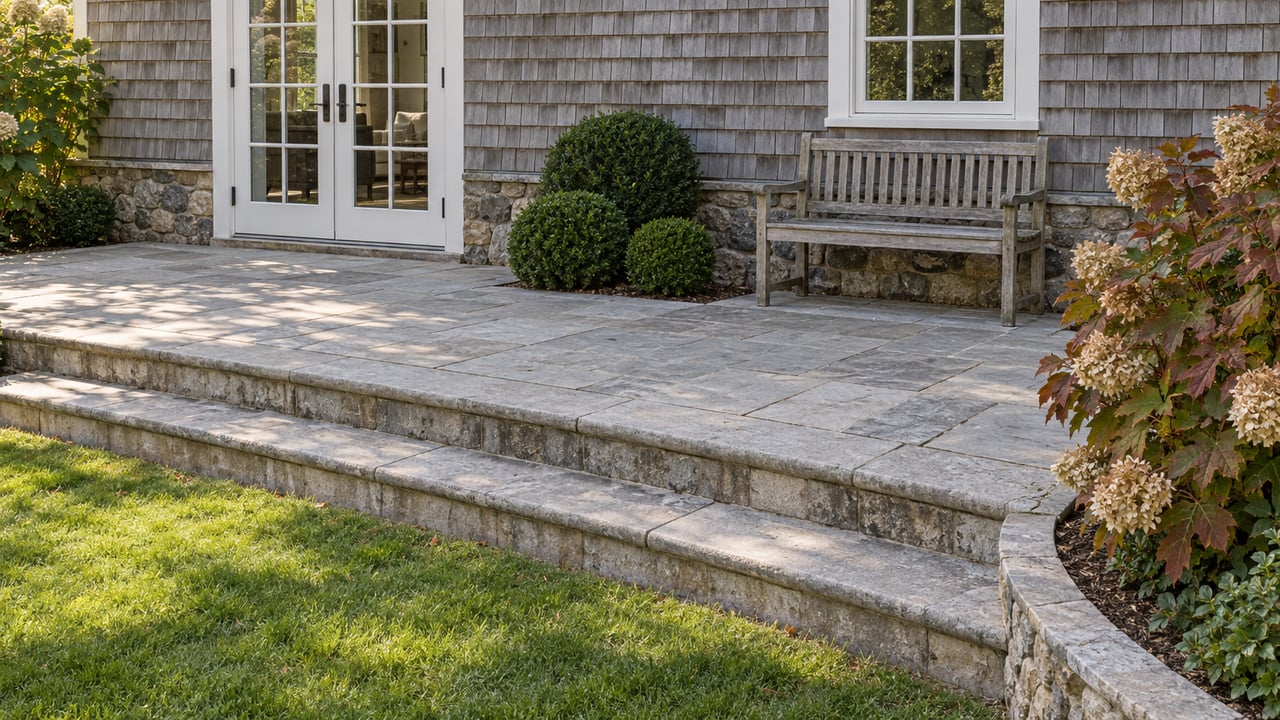
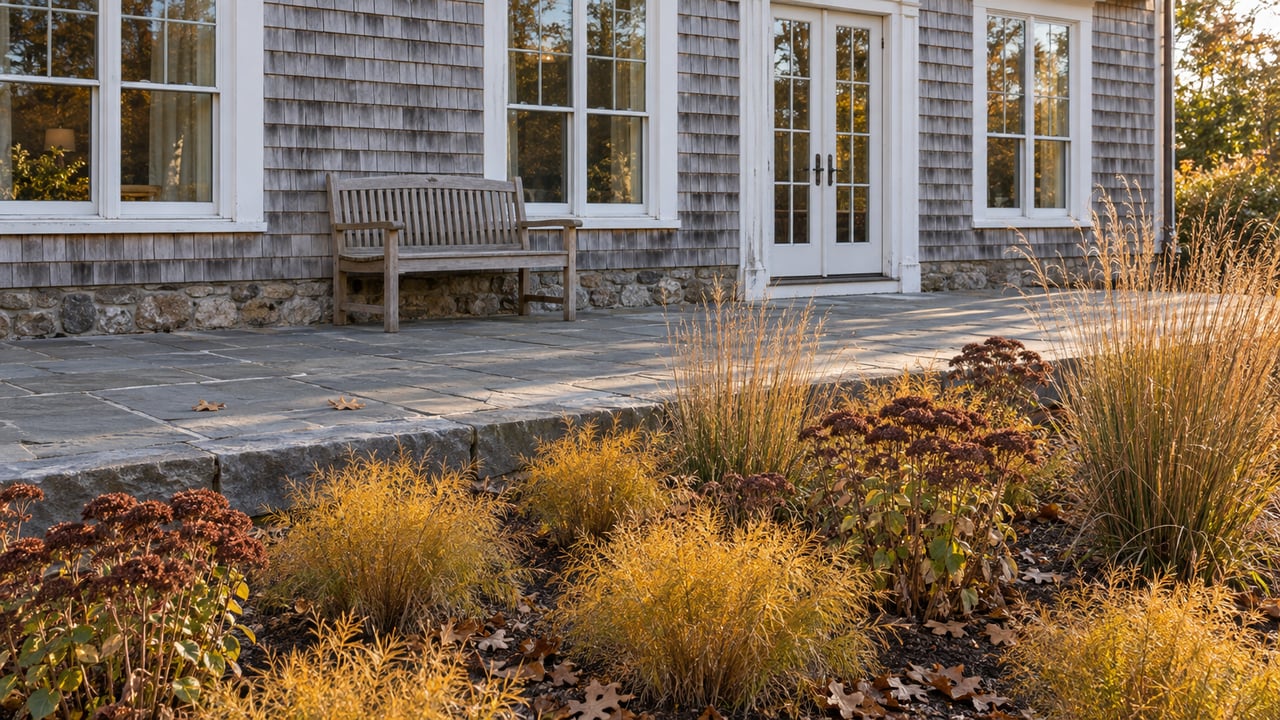
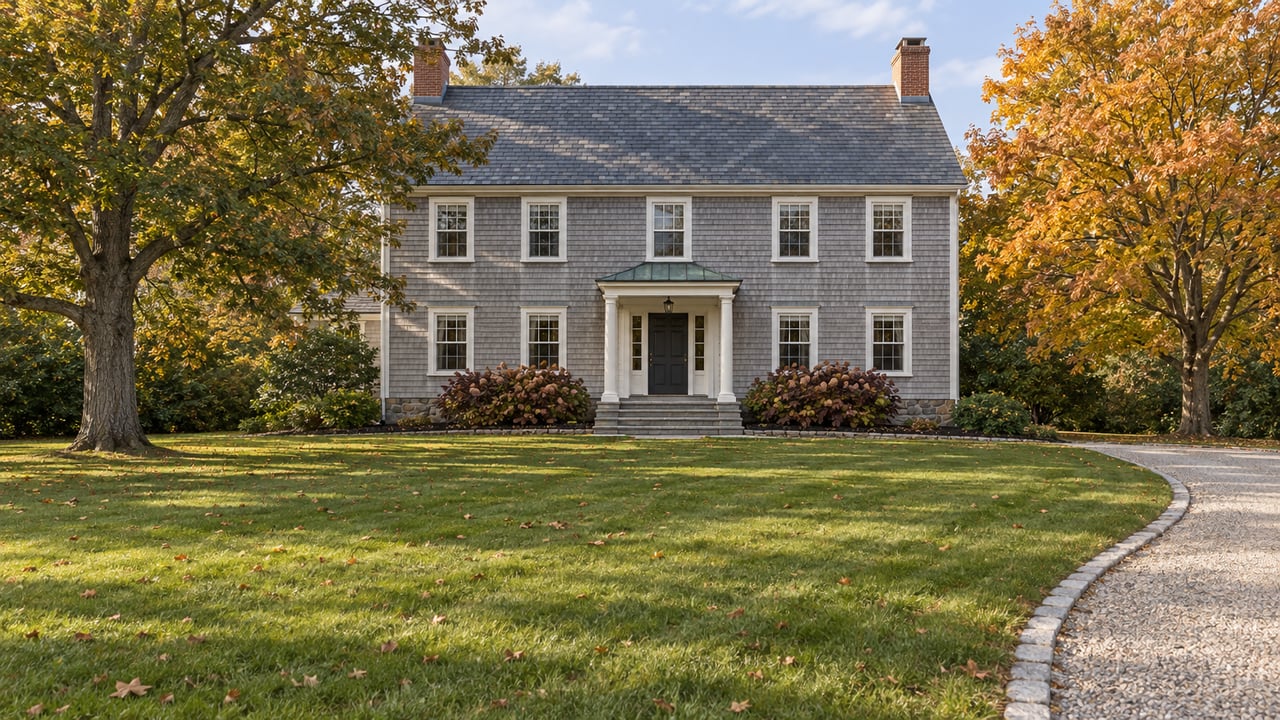
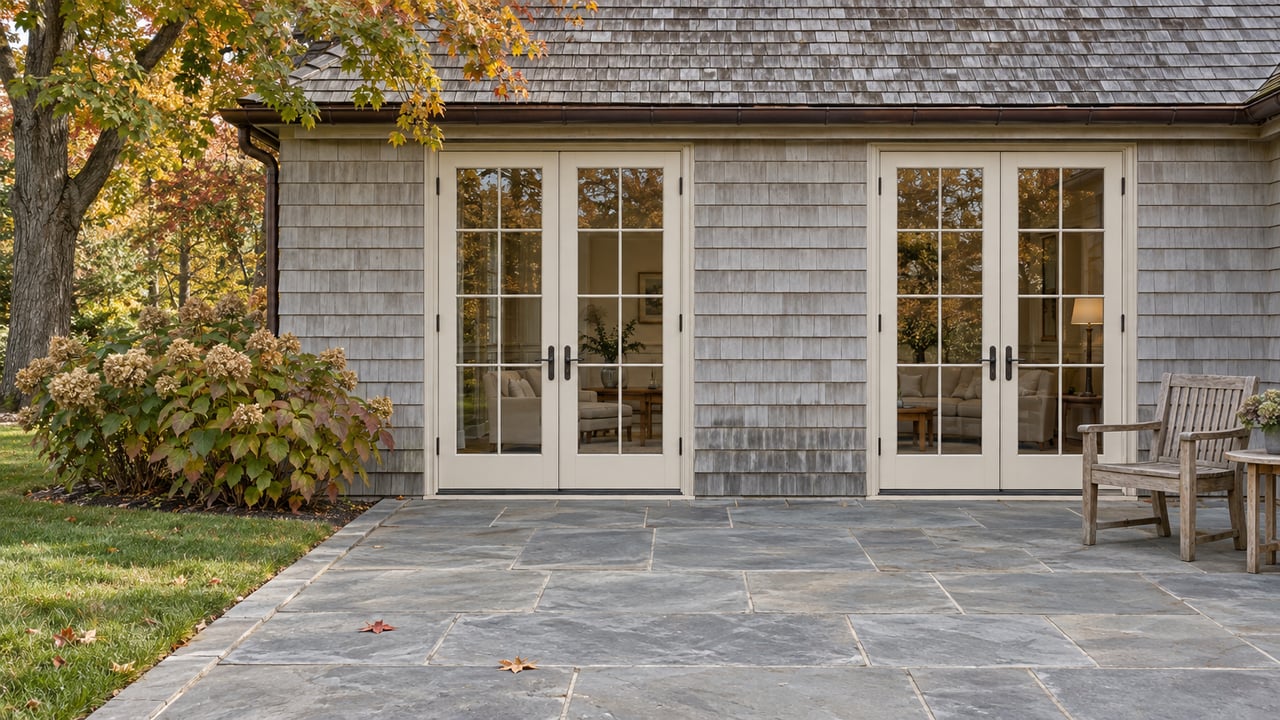
What makes the garden worth a second look is where it sits inside the village's own story. Roslyn Harbor's transformation from farmland into a cluster of country estates began in the 1830s, when wealthy New Yorkers started using the area as a retreat from the city. Cedarmere, the former estate of poet and longtime New York Evening Post editor William Cullen Bryant, still stands as one of the clearest remnants of that period. The new garden's plaque leans directly on that inheritance, framing the space as an extension of the same horticultural tradition that shaped the estates around it.
Practically, the garden gives residents near Greenvale a reason to linger at a station they normally just pass through. It is a small addition. It did not require a new tax line to build.
A Blockbuster Show in a Village With No Retail Tax Base
A short drive from that garden, the Nassau County Museum of Art is currently showing Louis Comfort Tiffany: Artist of the Gilded Age, on view through November 8. The museum sits on 145 acres that once belonged to the Frick family, inside a three-story neo-Georgian mansion designed around 1900 and later remodeled for Childs and Frances Frick. It is the kind of exhibition that pulls visitors in from well outside the village, and it is happening inside Roslyn Harbor's borders without costing the village a cent, because the museum has not been a county-funded operation since 1989. It runs as a private nonprofit.
As the Long Island Press reported, that funding structure came up directly at a village board meeting in late May, when the museum's executive director, Beth Horn, appeared before the trustees to introduce herself and lay out plans to grow the museum's events business. Horn, who has led the museum for two and a half years, told the board the institution depends heavily on private rentals to stay financially stable. The report quoted Horn saying that the museum really does depend on ancillary business.
That is worth sitting with. A museum that draws close to 200,000 visitors a year and can mount an exhibition of Tiffany's Gilded Age work is not being carried by village tax dollars. It is largely carrying itself, through memberships, admission, and increasingly through private event rentals on its grounds. For residents, that means the cultural draw next door exists almost entirely outside the village's own budget.
Waiting on the State for a Pond
The third piece of this fall's pattern is less photogenic but more telling about how a village this size actually functions. At that same May board meeting, trustees received an update on a pending $50,000 grant to fund construction drawings for dredging the village pond, which has lost significant depth over the years. Those drawings, once complete, would go to the state Department of Environmental Conservation in hopes of securing the money to do the dredging itself.
Notice what is missing from that sentence. There is no mention of the village simply paying for the work out of its own funds. With an annual budget built almost entirely on residential property taxes and no commercial base to draw from, a project like pond dredging has to wait in line for state grant cycles rather than getting scheduled the way a wealthier or more commercially developed municipality might handle it. The same meeting also covered a request from residents on Roslyn Harbor's four private roads, who currently arrange their own snow removal and asked the village for help. The mayor's proposed fix was modest: share the village's snow contractor's information so residents could negotiate directly, rather than have the village take on the responsibility itself. Small government, handling small things, one grant application and one contractor referral at a time.
What It Means If You Live Here
Put together, these three threads point to something that is not obvious from the outside. A village with barely 1,100 residents and no downtown of its own is nonetheless home to a nationally relevant art exhibition, a brand-new commemorative garden, and an infrastructure fix finally working its way through the state grant pipeline, and almost none of it was paid for the way a bigger town would pay for it. The museum funds itself. The garden came together through ceremony and community effort tied to a national milestone. The pond depends on Albany's calendar, not the village's.
If you already live in Roslyn Harbor, that is useful context for the fall ahead. The Tiffany exhibition closes November 8, which gives you a defined window rather than an open-ended one. The Independence Garden at Greenvale is new enough that most residents have not stopped there yet, and it is now part of the village's permanent civic landscape rather than a temporary installation. And if you notice equipment or engineering work near the village pond in the coming months, that activity traces back to a grant application that has been moving through Albany since at least this past spring, not a sudden decision by the village board.
None of this changes property values or school boundaries or anything the portals track. It changes how you understand a place you already know well: not as a sleepy pocket between busier villages, but as a small, self-funding patchwork of institutions and grant cycles that happens to produce a genuinely full season.
The Andréa Sorrentino Team works throughout Roslyn Harbor and the surrounding North Shore villages, and pays attention to exactly this kind of local detail, the difference between what a village pays for and what simply happens inside its borders. If you are weighing a move in this part of the North Shore, or wondering what a season like this one signals about a neighborhood you are already watching, reach out to request a confidential valuation and a conversation grounded in the place itself.