If you are selling an estate in Old Westbury, you are not just listing square footage. You are presenting land, privacy, architecture, and a way of living that buyers expect to feel the moment they arrive. That can make the process exciting, but it also raises the stakes on pricing, preparation, and documentation. This guide walks you through how to position an Old Westbury estate strategically, from pre-listing groundwork to launch. Let’s dive in.
Understand the Old Westbury market
Old Westbury operates differently from the broader Nassau County market. It is a low-density residential village with a long estate history, and its zoning framework places clear value on appearance, open space, and site design. That means buyers are often evaluating the full property experience, not just the house itself.
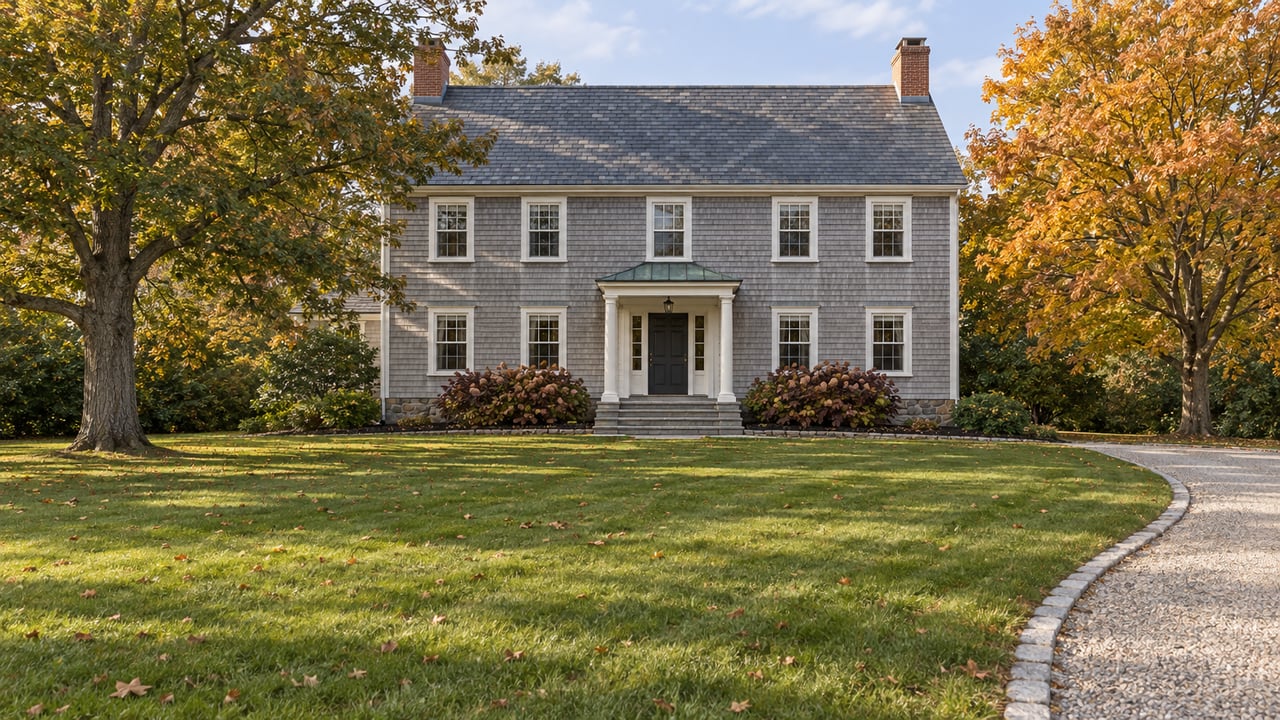
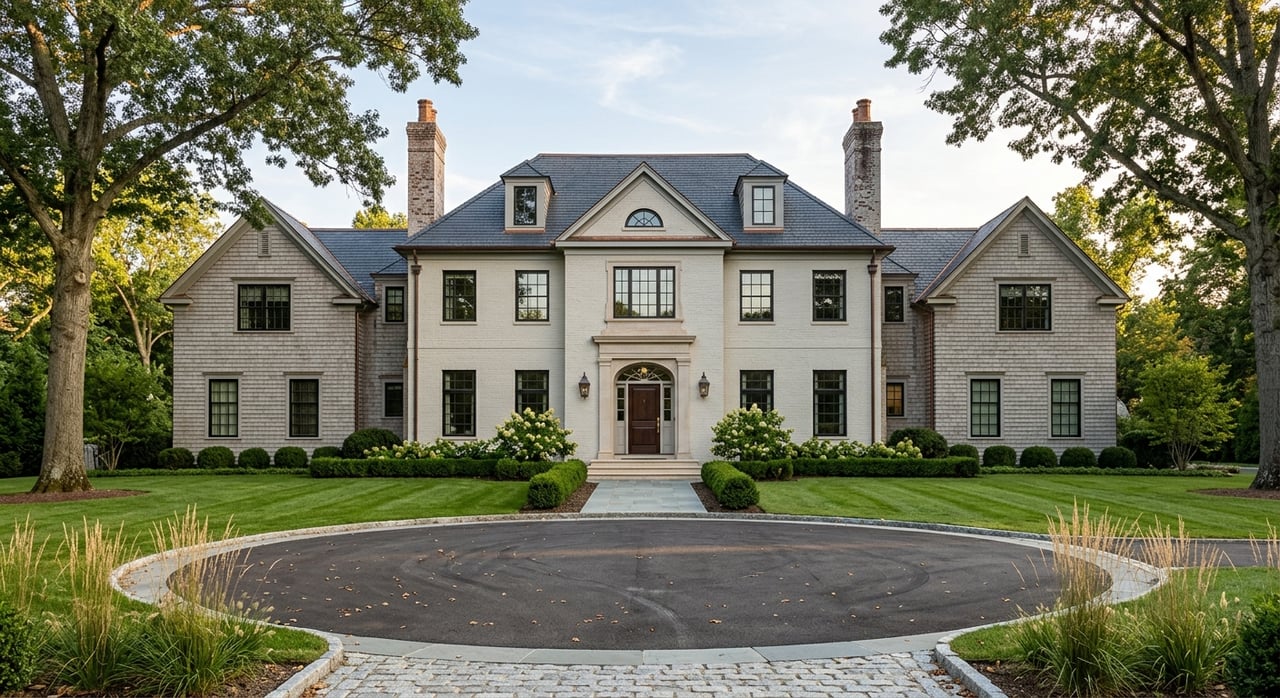
In practical terms, your grounds matter. Driveway approach, privacy, mature landscaping, outdoor amenities, and how the home sits on the lot can shape first impressions just as much as kitchens or baths. In a market like Old Westbury, acreage is part of the product.
The local zoning standards reinforce that point. In the village’s B-4 district, four-acre lot area, substantial setbacks, low building coverage, and a large amount of natural undeveloped space are all part of the framework. Accessory features such as pools, tennis courts, and barns also generally need to sit far from property lines, which makes layout and site planning especially important.
Price with discipline, not guesswork
A strategic sale starts with realistic pricing. As of May 2026, Redfin reported Old Westbury’s median sale price at $3.19 million over the prior three months, with homes selling after an average of 36 days on market. The same report noted that 45.7% of listings had price drops, which is a strong signal that overpricing can work against sellers here.
That matters even more because Old Westbury sits in a very different tier from the broader county. Zillow reported Nassau County’s average home value at $859,544, with homes going pending in around 24 days. The gap suggests Old Westbury should be treated as its own estate submarket, with pricing decisions based on true local comparables rather than broad county averages.
For many sellers, the best starting point is a close review of parcel-level records and comparable sales. Nassau County provides assessment roll data, tax maps, past taxes, tax rates, exemptions, and comparable-sale tools through its land records resources. Those records can help frame value, tax context, and how your property compares with other estate sales.
Prepare the property before you go live
In Old Westbury, launch timing should follow preparation, not the other way around. Because this is a market where grounds, order, and presentation matter, buyers will notice whether the property feels polished from the gate inward. A rushed listing can leave value on the table.
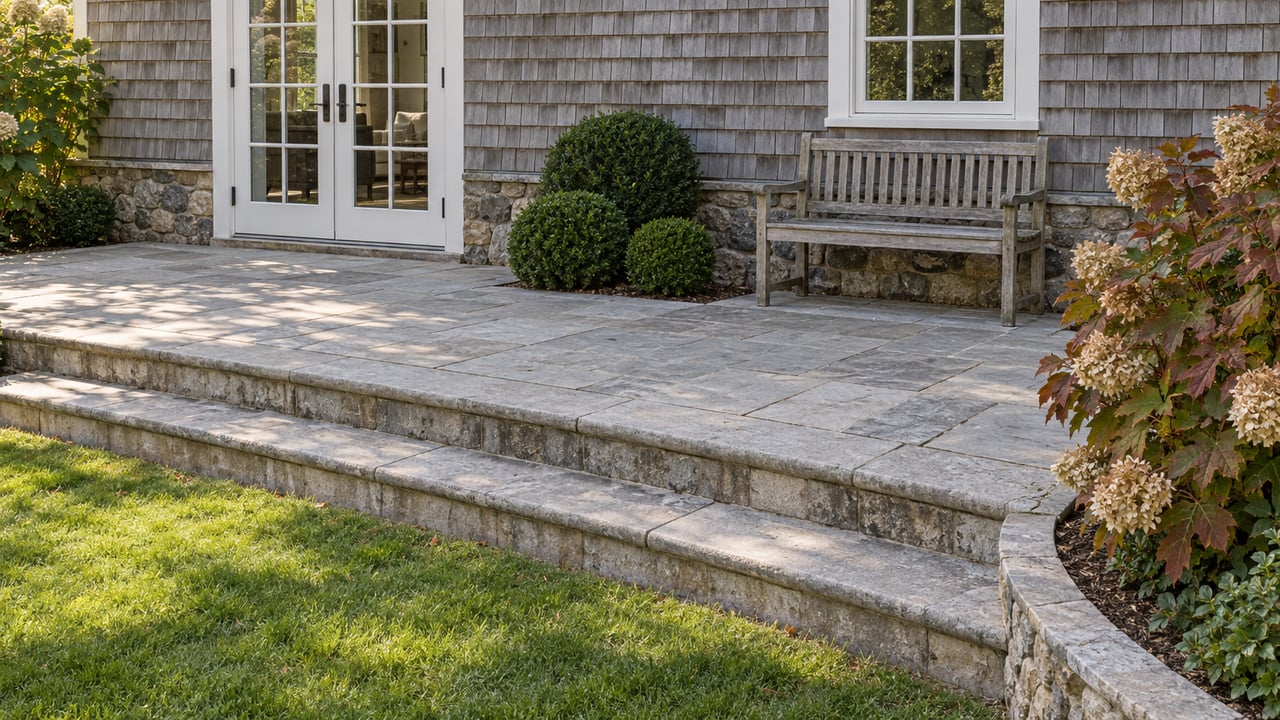
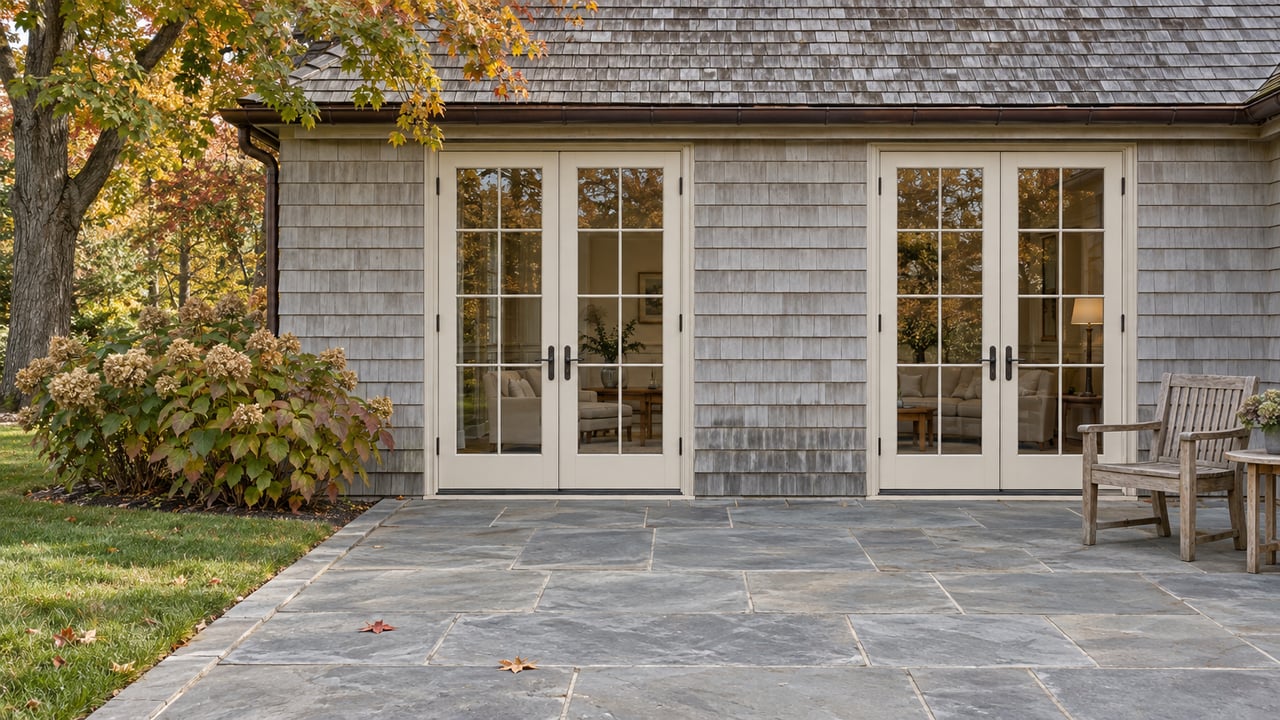
Start with the site itself. Focus on lawn condition, tree maintenance, entry sequence, driveway appearance, and the clarity of outdoor living areas. If the property includes a pool, tennis court, barn, guest area, or extensive hardscaping, make sure each feature reads as intentional, maintained, and easy to understand.
This is also where local operating details matter. The village has posted landscaping restrictions that limit landscaping work to Monday through Friday from 8 a.m. to 5 p.m., with no landscaping on weekends or federal holidays. If you are planning final cleanup, photography preparation, or last-minute curb appeal work, build those rules into your timeline.
Gather records early
Documentation is one of the biggest pressure points in an estate sale. The safest strategy is to collect your records before the home goes on the market, not after a buyer begins due diligence. That helps reduce delays, avoid surprises, and present the property with confidence.
Old Westbury’s Building Department handles permits and Certificates of Occupancy for a wide range of work, including additions, demolitions, fences, gates, retaining walls, generators, indoor sprinkler systems, swimming pools, tennis courts, tree removal, wells, and private sewage work. If you have made improvements over time, it is wise to confirm that your file is complete.
The village also notes that its Planning Board Sub-Committee handles architectural review for structures, alterations, or homes with a 20% increase in surface area. That makes prior approvals especially important for larger projects or meaningful exterior changes. If records are missing, finding out before launch is far better than finding out mid-transaction.
A practical pre-listing file often includes:
- Survey
- Certificates of Occupancy
- Building permits and sign-offs
- Records for pools, tennis courts, barns, generators, wells, or sewage work
- Information on easements or shared driveways
- Utility and tax records
- Service history for major systems
Be ready for New York disclosures
New York’s current Property Condition Disclosure Statement is required beginning July 1, 2025. It must be delivered to the buyer or the buyer’s agent before a binding contract is signed. The form is based on your actual knowledge, is not a warranty, and knowingly false or incomplete answers can create buyer claims.
For an Old Westbury estate, this step can be more involved than sellers expect. Larger properties often have more systems, more exterior improvements, and more history to account for. That is why early record gathering is so valuable.
Areas sellers should review carefully include:
- Easements and shared driveways
- Water source
- Septic or cesspool systems
- Drainage or flooding issues
- Sprinkler systems
- Patio or deck condition
- Driveway condition
- Structural or mechanical defects known to the seller
- Pre-1978 construction issues that may require lead-paint review
The goal is not to overcomplicate the process. It is to answer thoughtfully, based on what you know, and support those answers with organized records when possible.
Market the estate as a lifestyle asset
Once pricing and preparation are in place, the marketing strategy should reflect how buyers shop in Old Westbury. They are not simply comparing bedroom counts. They are evaluating privacy, arrival experience, entertaining potential, and how the property functions across the full site.
That means your listing should tell a complete story. A circular drive, mature trees, broad lawns, generous setbacks, and a well-placed pool or tennis court are not side notes. In this market, they are often central to perceived value.
The strongest presentation usually connects the home’s architecture with the land around it. Buyers want to understand how the house lives day to day, how guests move through the property, where outdoor gatherings happen, and whether the estate feels orderly and well maintained. When those details are clear, the property tends to feel more compelling and more memorable.
Verify parcel-specific details
One detail sellers should never assume is school district. According to the village study, Old Westbury includes portions of four school districts: Westbury, East Williston, Jericho, and Roslyn. Because district lines vary by parcel, the best practice is to verify the district using the property’s tax record.
This is a small step, but it matters. Buyers often ask early, and giving a clear, verified answer helps keep the conversation smooth and factual. It is also a good example of how estate selling in Old Westbury rewards precision.
Follow the right selling sequence
In a market like this, sequence can shape outcome. Sellers often do best when they resist the urge to test the market first and prepare later. A more effective path is to build the listing carefully from the ground up.
A strong roadmap usually looks like this:
- Prepare the grounds and exterior presentation
- Gather surveys, permits, and Certificates of Occupancy
- Review disclosure items based on actual knowledge
- Price from real local comparables and tax context
- Launch with marketing that highlights lifestyle and land
That order reflects how buyers evaluate Old Westbury estates. It also helps protect momentum once the home is live.
Why strategy matters more in Old Westbury
Old Westbury is a specialized estate market with its own expectations. Buyers here often notice details that might be less important elsewhere, from the siting of accessory structures to the sense of privacy created by setbacks and landscaping. When a property is well prepared and correctly positioned, those details work in your favor.
This is where a calm, tailored plan can make a meaningful difference. Selling an estate is rarely about one single move. It is the combination of preparation, presentation, documentation, and pricing that creates leverage.
If you are thinking about selling an Old Westbury estate, a thoughtful strategy can help you protect value and reduce friction before your home ever hits the market. For tailored guidance on pricing, preparation, and presentation, connect with The Andréa Sorrentino Team.
FAQs
What makes selling an Old Westbury estate different from selling elsewhere in Nassau County?
- Old Westbury is a distinct estate market shaped by large lots, substantial setbacks, low-density zoning, and a strong emphasis on site appearance, privacy, and outdoor layout.
How should you price an estate home in Old Westbury?
- You should price from true local comparable sales and parcel-level tax context, since Old Westbury’s market sits far above broader Nassau County averages and shows meaningful price-drop activity when homes are overpriced.
What records should you gather before listing an Old Westbury estate?
- Sellers should gather surveys, permits, Certificates of Occupancy, and records related to additions, pools, tennis courts, barns, wells, sewage work, easements, shared driveways, and major systems.
Do Old Westbury sellers need to complete a New York disclosure form?
- Yes. Beginning July 1, 2025, New York’s current Property Condition Disclosure Statement must be delivered before a binding contract is signed, and it is based on the seller’s actual knowledge.
Do pools, tennis courts, and barns affect an Old Westbury sale?
- Yes. These amenities can add to the property’s appeal, but they also raise questions about permits, setbacks, layout, condition, and disclosure.
How much land is typical for a home in Old Westbury?
- In the village’s B-4 district, the general standard is a four-acre lot for a single-family property, with limited exceptions and lot-averaging rules.
How can you confirm a school district for an Old Westbury property?
- Because Old Westbury includes parcels in multiple school districts, the best approach is to verify the district through the property’s tax record.